

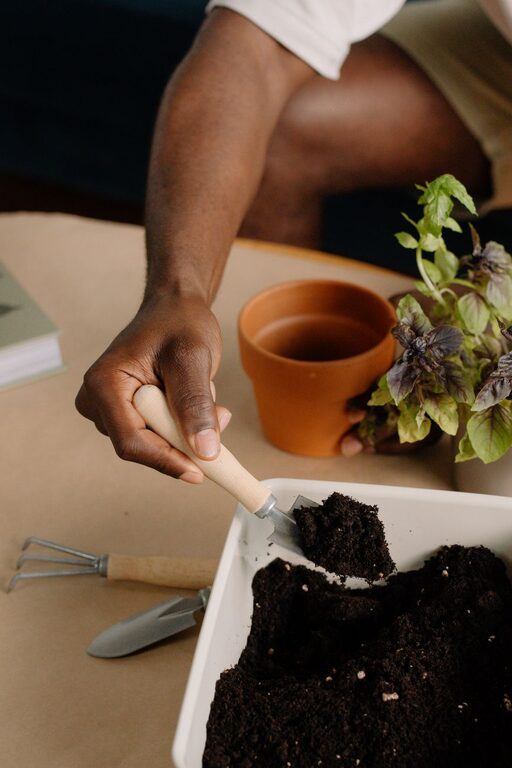
Starting a small herb garden indoors is a wonderful way to bring fresh flavors and greenery into your home all year round. Whether you have a sunny windowsill or a spare countertop, growing herbs inside can be both fun and practical. This guide will walk you through the essential steps to create your own indoor herb garden, even if you’re a complete beginner.
Why Grow Herbs Indoors?
Indoor herb gardening offers several advantages:
– Freshness: You can harvest herbs whenever you need them for cooking.
– Convenience: Herbs are right at your fingertips without having to go outside.
– Aesthetics: Herbs add a touch of green and improve the look of your kitchen or living space.
– Air quality: Plants help purify indoor air.
– Year-round growth: Indoors, you’re less affected by seasonal changes.
Choosing the Right Herbs for Indoor Gardening
Not all herbs thrive indoors, so it’s best to start with varieties that do well in pots and limited space. Here are some popular beginner-friendly herbs:
– Basil: Needs plenty of light and warmth.
– Mint: Grows quickly and can spread easily.
– Parsley: Prefers moderate light and cool temperatures.
– Chives: Tolerates lower light and is easy to maintain.
– Thyme: Drought-tolerant and likes bright light.
– Oregano: Needs good light and well-drained soil.
– Cilantro: Likes cooler conditions and bright indirect light.
Choose two or three herbs to start with, and you can expand your garden as you gain experience.
Selecting Containers and Soil
Containers
– Use pots with drainage holes to prevent water from pooling and causing root rot.
– Choose containers that are at least 4-6 inches deep to allow room for roots.
– Consider using lightweight pots made of plastic, ceramic, or terracotta.
– Small herb gardens can also work well in window boxes or recycled containers like mason jars, provided they have drainage.
Soil
– Use a high-quality potting mix designed for indoor plants, which drains well but retains moisture.
– Avoid garden soil as it may be too dense and contain pests.
– You can also find special herb potting mixes with added nutrients.
Finding the Best Location and Light
Herbs generally need 6-8 hours of sunlight per day. Here are tips to ensure proper light:
– Windowsill: South-facing windows get the most sun, but east or west windows can work too.
– Grow lights: If natural light is limited, consider full-spectrum LED grow lights. They mimic sunlight and help plants grow healthy.
– Rotate plants: Turn pots occasionally to ensure even light exposure and prevent leaning.
Planting Your Herbs
Starting from Seeds
– Follow package instructions for planting depth and spacing.
– Keep soil moist but not soggy.
– Use a clear cover or plastic wrap to retain humidity until seeds sprout.
– Germination times vary from 7 to 21 days.
Using Seedlings or Starter Plants
– Purchase healthy seedlings from garden centers.
– Gently loosen roots before planting in your container.
– Space plants so they have room to grow.
Watering and Feeding Your Herbs
– Check soil moisture regularly; water when the top inch feels dry.
– Water thoroughly until water drains out the bottom, then empty saucers to prevent standing water.
– Avoid overwatering to reduce the risk of mold and root rot.
– Feed herbs every 4-6 weeks with a balanced, water-soluble fertilizer diluted to half strength.
Caring for Your Herbs
– Pruning: Regularly pinch back herbs to encourage bushier growth.
– Harvesting: Harvest leaves in the morning for the best flavor. Take no more than one-third of the plant at a time.
– Pests: Watch for common indoor pests like aphids or spider mites. Wipe leaves with soapy water if needed.
– Humidity: Some herbs prefer moderate humidity. Mist leaves occasionally or place a humidifier nearby if air is dry.
Troubleshooting Common Issues
– Yellow leaves: Could be a sign of overwatering or lack of nutrients.
– Leggy growth: Insufficient light causes herbs to stretch. Move to a brighter spot or add grow lights.
– Slow growth: Check if the plant is root-bound or needs more fertilizer.
– Wilting: Usually due to underwatering or extreme temperatures.
Tips for Success
– Start small to avoid overwhelming yourself.
– Label your pots to keep track of different herbs.
– Experiment with different herbs to find your favorites.
– Use fresh herbs in your cooking to enjoy the fruits of your labor.
– Keep a gardening journal to note what works best in your environment.
Conclusion
Starting a small herb garden indoors is a rewarding project that can brighten your home and kitchen. By choosing the right herbs, containers, and providing proper care, you’ll enjoy fresh, fragrant herbs year-round. With patience and attention, even beginner gardeners can create a thriving indoor herb garden.
Happy gardening!