

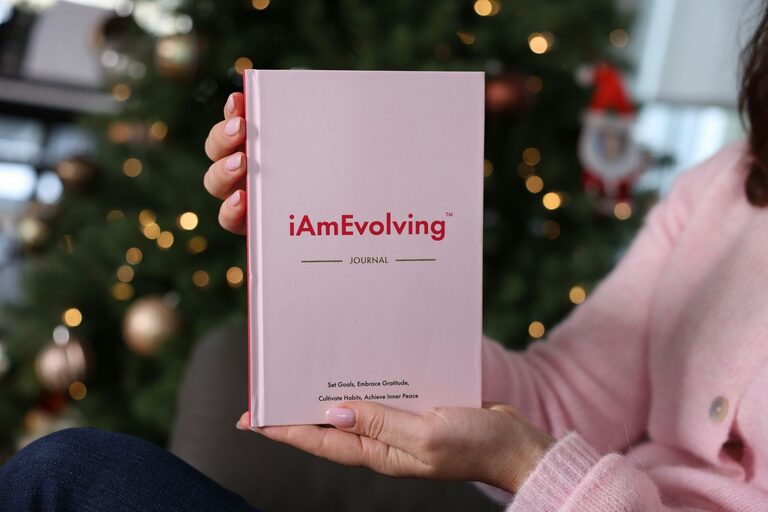
Keeping a gratitude journal is a powerful way to cultivate a positive mindset and increase overall happiness. By regularly reflecting on the things you’re thankful for, you train your brain to focus on the good in your life, which can reduce stress and improve mental clarity. If you’re new to this practice or looking for guidance on how to begin, this comprehensive guide will walk you through the process step-by-step.
What Is a Gratitude Journal?
A gratitude journal is a personal diary or notebook where you record moments, experiences, or things you appreciate each day. It can be as simple as listing a few things you’re grateful for or writing longer reflections. The key goal is to shift your attention toward positive elements in your life, no matter how big or small.
Benefits of Keeping a Gratitude Journal
Before you get started, it helps to understand the reasons why a gratitude journal can be such a beneficial habit:
– Improves mood: Focusing on gratitude helps lower feelings of negativity and boost feelings of happiness.
– Enhances mindfulness: Writing daily encourages you to slow down and be present.
– Strengthens relationships: Recognizing others’ kindness can deepen connections.
– Reduces stress: Gratitude encourages a balanced perspective, reducing anxiety.
– Promotes better sleep: Positive thoughts before bed can improve rest.
How to Choose Your Journal
Selecting the right journal is a personal choice, and there are many options:
– Traditional notebook: Any blank or lined notebook will work. Choose one that feels good to write in.
– Gratitude journals: Specially designed journals often include prompts and quotes.
– Digital journal: Apps or simple note apps on your phone work well for on-the-go entries.
– Bullet journals: If you prefer a creative approach, combining gratitude with bullet journaling can be fun.
Pick what fits your lifestyle best. The key is consistency, so choose something you will enjoy using.
When to Write Your Gratitude Journal
Timing your journaling can impact how effective it is for you. Common times include:
– Morning: Starting your day with gratitude can set a positive tone.
– Evening: Reflecting on the day’s blessings can promote peaceful sleep.
– Anytime: Write whenever you feel inspired or need a mood boost.
Try different times to see what works best for your routine.
What to Write in Your Gratitude Journal
You may wonder what exactly to include in your entries. Here are some ideas to get you started:
Simple Gratitude Lists
Write 3 to 5 things you are thankful for each day. Examples:
– A kind word from a friend
– A warm cup of coffee
– The sunny weather
Detailed Reflections
Describe why you are grateful for a specific person, event, or moment. For example:
– “I’m grateful for my coworker who helped me with a difficult task today. Their support made me feel valued.”
Gratitude for Challenges
Sometimes tough experiences teach us valuable lessons. Acknowledge those, too:
– “I’m grateful for the setback yesterday because it helped me learn patience.”
Use Prompts to Inspire Writing
If you have trouble thinking of things to write, try prompts such as:
– What made you smile today?
– Who in your life are you thankful for and why?
– What is something you often take for granted?
Tips for Maintaining the Habit
Starting a gratitude journal is easy, but keeping it up daily requires some effort. Here’s how to stay consistent:
– Set a reminder: Use your phone or calendar to prompt journaling time.
– Keep your journal visible: Place it where you can easily reach it.
– Make it enjoyable: Use colorful pens or add drawings if you like.
– Be flexible: Missed a day? Just pick up again without guilt.
– Share your gratitude: Tell others or discuss your journaling experience.
Overcoming Common Challenges
Even with motivation, you may encounter obstacles such as:
– Running out of things to say: Remember that simple things count. Revisit previous entries for inspiration.
– Feeling it’s repetitive: Try changing your format or including photos or quotes.
– Lack of time: Writing doesn’t have to be long. Even a sentence counts.
Final Thoughts
Starting a gratitude journal is a meaningful way to enhance your well-being and encourage positivity in your life. By making it a regular habit and approaching it with openness and honesty, you’ll likely notice improvements in mood, stress levels, and relationships. Whether you write a few words or paragraphs, your gratitude journal can become a treasured tool to help you appreciate life’s gifts every day.
—
Ready to start your own gratitude journal? Grab a notebook or open a note app and begin by listing three things you’re thankful for today. Enjoy the journey toward a more grateful, joyful life!